







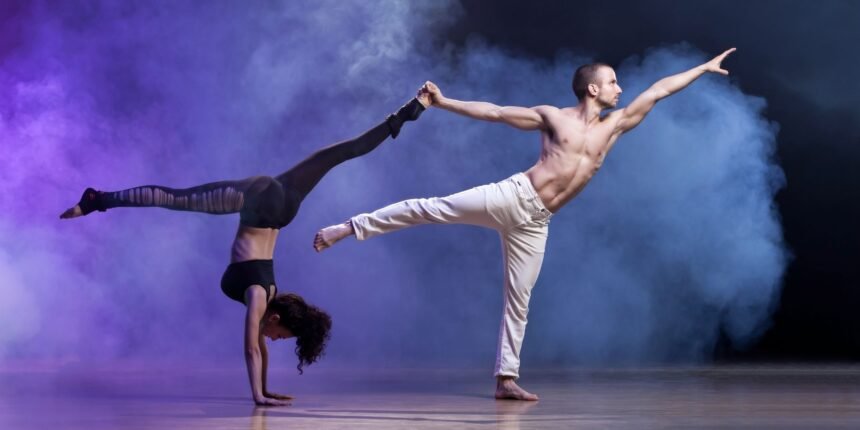
Arts/Performing Arts are a powerful way people share stories, emotions, and ideas with the world. From ancient tribal dances to modern Broadway shows, Arts/Performing Arts bring people together in exciting and meaningful ways. They help us laugh, cry, think, and dream. At the same time, they build confidence, teamwork, and creativity. In this complete guide, you will learn what Arts/Performing Arts really mean, how they developed over time, why they matter in education and society, and how they offer amazing career opportunities.
What Are Arts/Performing Arts?
Arts/Performing Arts include creative activities where people perform in front of an audience. These arts use the human body, voice, or instruments to express feelings and ideas. For example, theatre, dance, music, opera, and live storytelling all belong to Arts/Performing Arts. Unlike visual arts, which create paintings or sculptures, performing arts happen live, so the audience experiences the moment directly. Because of this, each performance feels unique and special.
The History of Arts/Performing Arts
Arts/Performing Arts began thousands of years ago. Early humans used dance and music in rituals and celebrations. For instance, ancient Egyptians performed religious ceremonies with music and movement. Later, the Greeks built large theatres and performed plays about gods and heroes. Over time, cultures around the world created their own styles. In Asia, classical dance and opera developed rich traditions. Meanwhile, in Europe, opera and ballet became popular. As a result, Arts/Performing Arts grew into many different forms across continents.
Why Arts/Performing Arts Matter in Society
Arts/Performing Arts play an important role in society because they reflect culture and history. When people watch a play or attend a concert, they learn about different experiences and perspectives. Moreover, performances can raise awareness about social issues. For example, a theatre production might talk about equality or environmental protection. Therefore, Arts/Performing Arts not only entertain but also educate and inspire change.
Arts/Performing Arts in Education
Arts/Performing Arts help students grow in many ways. First, they improve communication skills because students practice speaking clearly and confidently. Second, they encourage teamwork since performers must cooperate during rehearsals and shows. In addition, music and dance strengthen memory and coordination. Research shows that students who participate in Arts/Performing Arts often perform better in other subjects. Consequently, schools that support performing arts programs create well-rounded learners.
Major Forms of Arts/Performing Arts
Arts/Performing Arts include several major forms. Theatre involves actors performing stories on stage. Dance expresses emotion through body movement. Music uses instruments and vocals to create sound patterns. Opera combines singing, acting, and orchestral music. Additionally, performance poetry and spoken word give voice to personal stories. Because each form has its own style and technique, artists can choose the one that matches their passion.
Theatre in Arts/Performing Arts
Theatre stands as one of the oldest types of Arts/Performing Arts. Actors bring characters to life through dialogue and action. At the same time, directors, writers, and stage designers work behind the scenes. Together, they create a powerful experience for the audience. For example, musicals combine acting with singing and dancing. As a result, theatre continues to evolve while still honoring its roots.
Dance as a Core of Arts/Performing Arts
Dance plays a central role in Arts/Performings Arts because it communicates without words. Ballet tells stories through graceful movement. Hip-hop expresses modern culture with energy and rhythm. Traditional dances celebrate heritage and community. Since dance connects body and emotion, it allows performers to share feelings in a universal language. Therefore, dance remains one of the most expressive forms of Arts/Performing Arts.
Music in Arts/Performing Arts
Music forms the heartbeat of Arts/Performings Arts. Singers and musicians create melodies that move audiences deeply. From classical symphonies to pop concerts, music brings people together. Moreover, live music performances create a strong connection between artists and listeners. Because rhythm and harmony affect our emotions, music holds a special place within Arts/Performing Arts.
Opera and Musical Theatre in Arts/Performing Arts
Opera and musical theatre combine several elements of Arts/Performing Arts into one performance. In opera, singers use powerful voices to tell dramatic stories with orchestral music. In musical theatre, performers mix dialogue, singing, and dance. Consequently, audiences enjoy a rich and layered experience. These forms require strong training and discipline, so performers often spend years mastering their craft.
Benefits of Participating in Arts/Performings Arts
Arts/Performings Arts offer many personal benefits. First, they build self-confidence because performers face audiences regularly. Second, they reduce stress since creative expression helps release emotions. Furthermore, performing arts improve focus and discipline through practice and rehearsals. When children join a drama club or choir, they learn responsibility and time management. Therefore, Arts/Performings Arts support both emotional and mental growth.
Arts/Performings Arts and Emotional Intelligence
Arts/Performings Arts strengthen emotional intelligence because performers explore different feelings. For example, an actor must understand a character’s emotions to portray them well. Similarly, musicians express joy, sadness, or excitement through sound. As a result, participants become more aware of their own emotions and those of others. This awareness improves empathy and communication skills.
Technology and Modern Arts/Performings Arts
Technology has changed Arts/Performing Arts in exciting ways. Today, digital lighting and sound systems create stunning stage effects. Additionally, online streaming allows people to watch performances from home. Social media also helps artists share their work with global audiences. Because of these advancements, Arts/Performings Arts reach more people than ever before. However, live performances still remain special because they offer real-time interaction.
Careers in Arts/Performings Arts
Arts/Performings Arts provide many career opportunities. Some people become actors, dancers, or musicians. Others work as directors, choreographers, costume designers, or stage managers. In addition, sound engineers and lighting technicians support performances behind the scenes. While success requires dedication and practice, passion often drives artists forward. Therefore, Arts/Performings Arts offer both creative satisfaction and professional growth.
Challenges in Arts/Performings Arts
Although Arts/Performings Arts bring joy, they also present challenges. Competition can be strong, especially in large cities. Moreover, performers may face financial uncertainty early in their careers. However, training programs and community support help artists overcome obstacles. By staying persistent and open to learning, many performers build successful paths in Arts/Performings Arts.
Community Impact of Arts/Performings Arts
Arts/Performings Arts strengthen communities because they create shared experiences. Local theatre groups and school concerts bring families together. Festivals celebrate culture through music and dance. As people gather to watch performances, they feel connected to one another. Therefore, Arts/Performings Arts build unity and pride within communities.
Global Influence of Arts/Performings Arts
Arts/Performings Arts cross borders and cultures. For example, K-pop concerts attract global fans, while Broadway shows tour internationally. Traditional dances from Africa inspire modern choreography worldwide. Because creativity has no limits, Arts/Performings Arts encourage cultural exchange and understanding. As a result, people learn to appreciate diverse traditions.
The Future of Arts/Performings Arts
The future of Arts/Performings Arts looks bright and innovative. Virtual reality may create immersive theatre experiences. Artificial intelligence could support music composition. At the same time, young artists continue to experiment with new styles. Therefore, Arts/Performings Arts will keep evolving while staying rooted in human creativity.
How to Get Started in Arts/Performings Arts
If you want to explore Arts/Performings Arts, start by choosing an area that excites you. Join a school drama club, take dance classes, or learn an instrument. Practice regularly and watch performances for inspiration. Additionally, seek feedback from teachers and mentors. Because growth takes time, patience and dedication will help you succeed in Arts/Performings Arts.
Читати далі: Біатлон кубок світу – повний гід для вболівальників і новачків
Conclusion: The Lasting Power of Arts/Performings Arts
Arts/Performing Arts shape culture, inspire creativity, and build confidence. They connect people across generations and countries. Moreover, they teach important life skills such as teamwork and empathy. Whether you perform on stage or watch from the audience, Arts/Performing Arts enrich your life. Therefore, supporting and participating in these creative fields helps build a vibrant and compassionate world.