







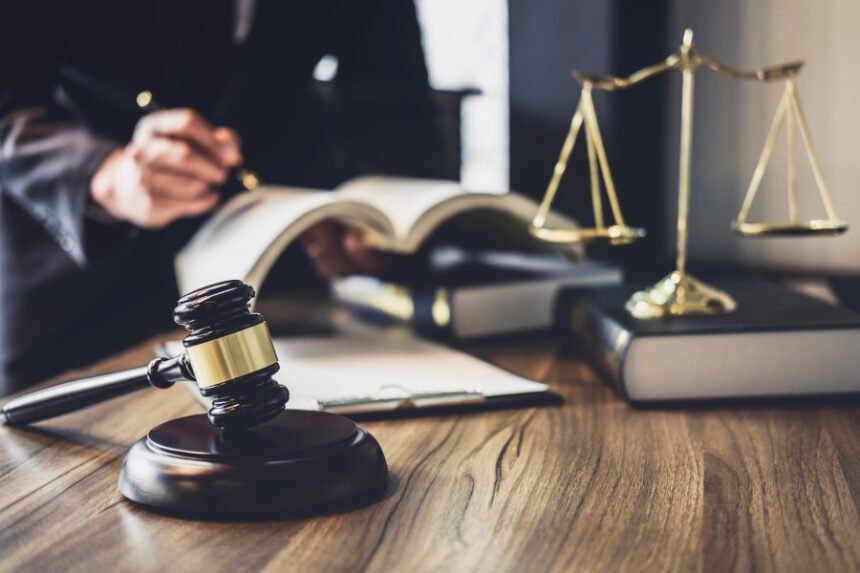
Society/Law plays a huge role in how we live, learn, work, and treat each other every single day. In fact, Society/Law connects people through shared rules and values, and it helps communities stay safe and fair. Although many people think law is only about courts and police, Society/Law is much bigger than that. It includes the way society creates rules, solves problems, and protects rights. Therefore, when we understand Society/Law, we understand how our world works.
What Is Society/Law and Why Does It Matter?
Society/Law means the strong connection between society and the legal system that guides it. In simple words, society is a group of people living together, while law is a set of rules that people agree to follow. When we combine them, we see how rules shape behavior and how people shape rules. For example, when society changes its values, laws often change too. As a result, Society/Law grows and develops over time.
Society/Law matters because it keeps order and builds trust. Without laws, people might act only for themselves, and chaos could happen. However, when laws are clear and fair, people feel safer. They know their rights are protected, and they also know what is expected from them. Therefore, Society/Law creates balance between freedom and responsibility.
The History of Society/Law in Human Civilization
Society/Law has existed for thousands of years. Even in ancient times, communities made rules to protect members and solve disputes. For instance, early civilizations like Mesopotamia created written codes, such as the Code of Hammurabi, to guide behavior. Although these laws were strict, they showed that people needed order.
Later, ancient Rome developed legal systems that influenced modern laws. Similarly, many societies built systems to protect property, family, and trade. Over time, Society/Law became more focused on human rights and equality. Therefore, history shows that as society grows more complex, Society/Law also becomes more detailed and organized.
How Society/Law Protects Individual Rights
Society/Law protects individual rights by setting clear limits on power. For example, constitutions define basic freedoms like speech, religion, and equality. Because of Society/Law, governments cannot act without limits. Instead, they must follow rules that protect citizens.
Moreover, courts help enforce these rights. When someone feels treated unfairly, they can seek justice through the legal system. As a result, Society/Law gives people a peaceful way to solve problems. Instead of violence, people use legal processes. Therefore, Society/Law supports fairness and peace in communities.
The Role of Society/Law in Maintaining Order
Society/Law keeps order by defining what is allowed and what is not allowed. For example, traffic laws reduce accidents because drivers follow the same rules. Similarly, criminal laws punish harmful actions, which discourages crime.
However, order does not mean control without reason. Instead, Society/Law balances safety and freedom. While people enjoy rights, they must also respect others. Therefore, Society/Law creates a system where everyone can live together without constant conflict.
Society/Law and Social Change
Society/Law does not stay the same forever. Instead, it changes as society changes. For example, in many countries, laws about equality have improved over time. People demanded fairness, and lawmakers responded. As a result, rights expanded for many groups.
Furthermore, technology also affects Society/Laws. Because the internet created new ways to communicate, new laws were needed to protect privacy and prevent cybercrime. Therefore, Society/Law grows with society’s needs. It adapts to new challenges and new ideas.
How Society/Laws Shapes Education and Family Life
Society/Laws influences schools and families in many ways. For example, education laws require children to attend school. This ensures that every child has a chance to learn. In addition, family laws define marriage, adoption, and child protection.
Because of Society/Laws, children receive protection from abuse and neglect. At the same time, parents have rights and responsibilities. Therefore, Society/Laws helps create stable families and educated communities. Without these rules, many children might not receive proper care or schooling.
Society/Law in the Workplace
Society/Law also shapes workplaces. For instance, labor laws protect workers from unfair treatment. Employers must follow rules about wages, safety, and discrimination. As a result, workers feel safer and more respected.
Moreover, businesses must follow legal standards. They cannot sell harmful products or cheat customers. Therefore, Society/Laws supports fair competition and protects consumers. Because of these rules, markets function more smoothly and trust grows between companies and customers.
Society/Laws and Justice Systems
Justice systems are a key part of Society/Laws. Courts, judges, and lawyers work together to interpret and apply laws. When disputes happen, the justice system helps resolve them fairly.
However, justice depends on fairness and transparency. If people believe the system is unfair, trust decreases. Therefore, strong Society/Laws requires honest institutions. When courts treat people equally, society becomes more stable and united.
The Connection Between Society/Laws and Morality
Society/Laws often reflects moral values. For example, laws against theft show that society believes stealing is wrong. Similarly, laws that protect vulnerable people reflect values of kindness and fairness.
However, not all moral rules become laws. Sometimes society debates whether certain behaviors should be regulated. As a result, Society/Laws often involves discussion and compromise. Therefore, it represents shared values rather than personal opinions alone.
Society/Laws and Democracy
In democratic systems, people have a voice in creating laws. They vote for leaders who make decisions. Because of this, Society/Law reflects public opinion more closely.
Moreover, democratic systems allow peaceful change. If citizens disagree with a law, they can campaign to change it. Therefore, Society/Laws becomes a living system shaped by participation. Democracy strengthens Society/Law by making it accountable to the people.
Challenges Facing Society/Laws Today
Today, Society/Laws faces many challenges. For example, globalization connects countries, but it also creates legal conflicts between nations. Similarly, technology moves faster than laws can adapt.
Furthermore, inequality remains a problem in many societies. While laws promise fairness, real-life results may differ. Therefore, governments and communities must work hard to improve Society/Law. By updating rules and strengthening institutions, societies can address these challenges.
The Future of Society/Laws
The future of Society/Laws will depend on cooperation and innovation. As technology grows, new laws will address artificial intelligence, privacy, and digital rights. At the same time, climate change may require new environmental laws.
However, the core goal will remain the same. Society/Laws will continue to protect rights, maintain order, and promote justice. Therefore, understanding Society/Laws today helps us prepare for tomorrow.
Why Understanding Society/Laws Is Important for Everyone
Understanding Society/Laws helps people make better decisions. When you know your rights, you can protect yourself. When you know your responsibilities, you can avoid trouble.
Moreover, education about Society/Laws builds stronger communities. People who understand the system are more likely to participate and vote. As a result, they help improve laws over time. Therefore, learning about Society/Laws empowers individuals and strengthens society as a whole.
Читати далі: Біатлон кубок світу – повний гід для вболівальників і новачків
Conclusion: Society/Law as the Foundation of Modern Life
Society/Law stands at the center of modern life. It connects people through shared rules and values. It protects rights, ensures fairness, and supports peace. Although challenges exist, Society/Laws continues to evolve and improve.
Therefore, when we respect Society/Laws and participate in it, we help create a safer and fairer world. By understanding how it works, we become active members of our communities. In the end, Society/Law is not just about rules; it is about people living together with justice and respect.